Exploring Blue Raspberry Mushroom Candy: A Flavorful Entry into Psilocybin Edibles
Why Blue Raspberry Mushroom Candy Stands Out
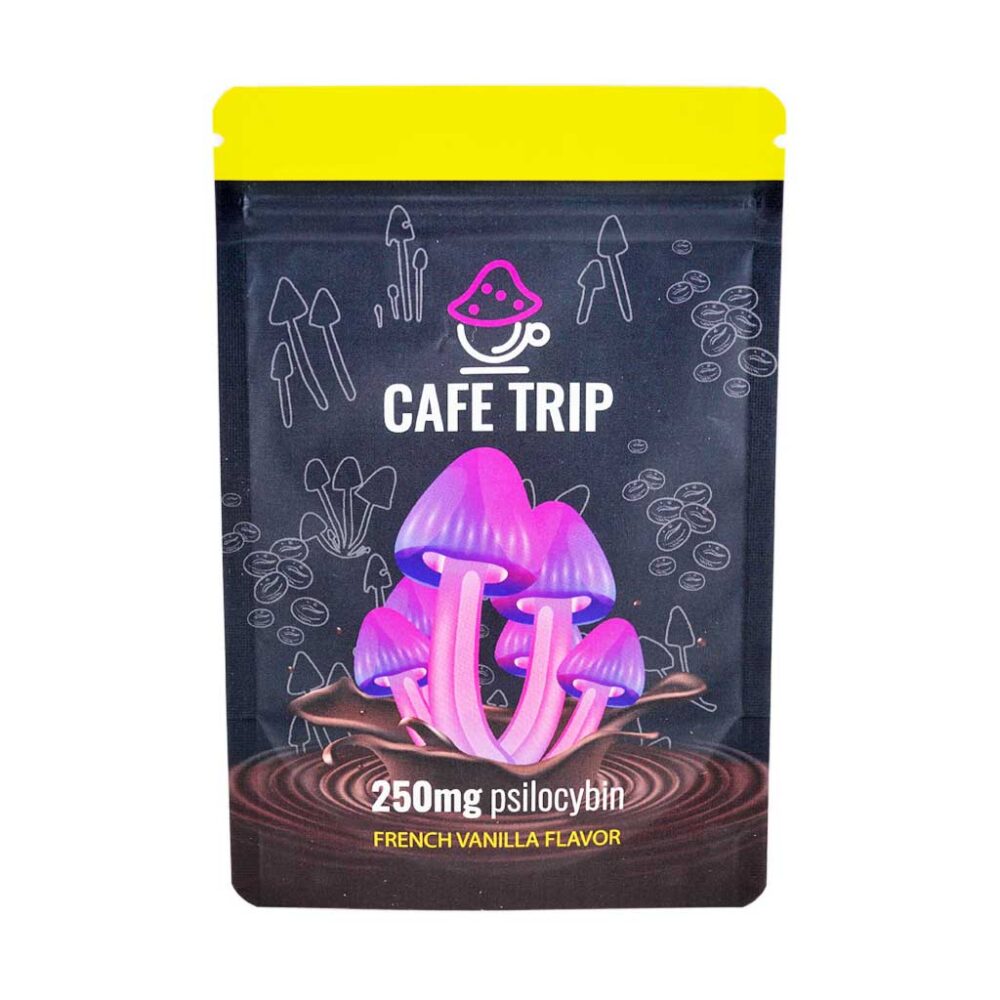
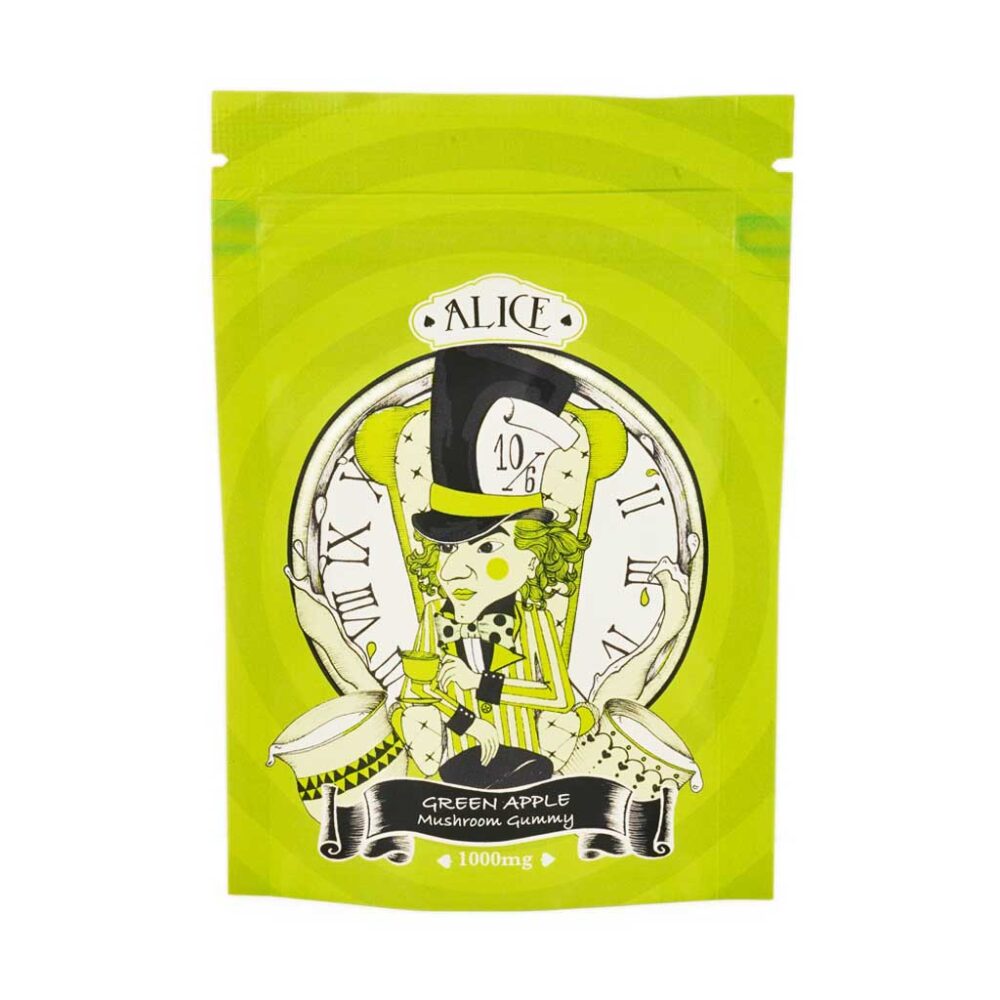
When I first heard about blue raspberry mushroom candy, I was skeptical. The combination of a childhood favorite flavor with the earthy, sometimes bitter taste of magic mushrooms seemed like a stretch. But after trying a few varieties and talking to others who have explored psilocybin edibles, I realized this pairing makes a lot of sense. The bright, tart blue raspberry flavor masks the natural funk of Psilocybe cubensis better than almost any other flavor I have tried. It is not just about taste either. The experience of eating a candy that tastes familiar can make the whole process feel less intimidating for someone new to psychedelics.
For those accustomed to the gritty texture of dried mushrooms or the musty aftertaste of truffles, psilocybin gummies and chocolates offer a welcome alternative. They deliver the same active compound without the sensory drawbacks. Blue raspberry, in particular, has become a popular choice among dispensaries and online shops like Kush Station because it balances sweetness with a tang that cuts through the mushroom base. This is not a marketing gimmick. It is a practical solution to a real barrier many people face when trying psilocybin for the first time.
The Practical Side of Psilocybin Edibles
One thing that surprised me during my own experiments was how much the delivery method matters. I remember my first attempt with raw Psilocybe cubensis. The taste was unpleasant, and the texture made me want to gag. That experience almost turned me off entirely. Later, a friend handed me a blue raspberry mushroom candy. It looked and tasted like a regular gummy. The dose was consistent, and I did not have to fight my own senses to ingest it. That small change made a big difference in how I approached microdosing and later, full sessions.
Edibles like these are not just for convenience. They allow for more precise dosing, which is crucial whether you are microdosing for focus or preparing for a deeper journey. Many products use extracts or powdered mushrooms blended into the candy base, so the psilocybin is evenly distributed. This takes the guesswork out of the equation. You know what you are getting, and you can plan your set and setting accordingly.
Understanding the Effects and the Context
Psilocybin, the active compound in magic mushrooms and truffles, affects everyone differently. The experience depends on dosage, your mindset, and your environment. That is why the concept of set and setting is so important. I have seen people treat blue raspberry mushroom candy like a casual snack, only to be surprised when the effects hit harder than expected. It is not a candy in the conventional sense. It is a psychedelic product that happens to taste good.
If you are new to this, start with a small piece. Wait at least an hour before considering more. Even with a familiar flavor like blue raspberry, the psilocybin will still produce its characteristic effects. Some people report a mild euphoria and heightened sensory perception. Others, especially at higher doses, experience synesthesia where sounds become colors or textures. This is part of the appeal for many, but it also demands respect.
Common Use Cases for Psilocybin Edibles
- Microdosing for daily clarity without a full trip
- Recreational use at low to moderate doses in safe settings
- Therapeutic sessions guided by trip sitters or experienced friends
- Integration into retreats where structured support is available
- Exploring altered states for personal growth or creativity
Each of these scenarios benefits from the reliability of edibles. When you buy from a reputable source like Kush Station, you get a product with consistent potency. That is harder to achieve with raw mushrooms because they vary in strength from flush to flush.
Comparing Psilocybin Edibles to Other Psychedelics
People often ask me how psilocybin compares to LSD or changa. The short answer is that they are different tools for different jobs. LSD tends to last longer and can feel more stimulating. Changa, a smokable form of DMT mixed with MAOIs, is intense and short-lived. Psilocybin, whether in truffles or blue raspberry mushroom candy, offers a middle ground. The experience typically lasts four to six hours, with a gentle onset and a gradual comedown. That makes it easier to fit into a day, especially if you have a trip sitter or a trusted friend present.
The flavorings used in psilocybin edibles also matter beyond mere taste. They can affect your willingness to take the substance regularly. I have seen people stick with a microdosing routine longer when they enjoy the flavor. It sounds trivial, but it is not. Consistency is hard enough without dreading the taste. Blue raspberry is a crowd favorite for this reason. It is playful without being childish, and it does not feel out of place in an adult context.
Where to Find Quality Products
Not all psilocybin edibles are made the same. Some use low-quality mushrooms or improper extraction methods. Others rely on synthetic psilocybin, which some users find less nuanced. The best products come from reputable dispensaries or online shops that test their batches. Kush Station, for example, carries a variety of edibles including blue raspberry mushroom candy, gummies, and chocolates. They provide clear dosage information and sourcing details, which helps you make an informed choice.
When you buy online, look for transparency. The seller should list the strain of mushroom used, like Golden Teacher or another Psilocybe cubensis variant. They should also indicate whether the product is made from whole mushrooms or an extract. Extracts tend to be more consistent. Whole mushroom edibles can vary but some people prefer them for a more natural experience.
What to Look for in a Psilocybin Edible
- Clear labeling of psilocybin content per piece
- Use of natural or food-grade flavorings
- Information about the mushroom source and strain
- Positive reviews from other users regarding taste and effect
- Third-party testing if available
I have tried edibles from several sources, and the differences are real. A poorly made candy can be cloyingly sweet or leave a bitter aftertaste. A well-made one, like some of the blue raspberry mushroom candy I have come across, tastes like a treat. That might sound like a luxury, but when you are trying to relax into an experience, the last thing you want is to fight your own gag reflex.
Personal Reflections on the Experience
I remember one evening at a friend's house. We had planned a low-dose session with a few people we trusted. Someone brought blue raspberry mushroom candy. We each took a piece and sat in the living room with music playing. The first hour was quiet. Then the colors in the room seemed richer. The music felt like it had texture. I could feel the bass in my chest. It was not overwhelming. It was pleasant. The candy made the whole thing feel less clinical and more like a shared experience. The flavor was a small part of that, but it helped set a light tone.
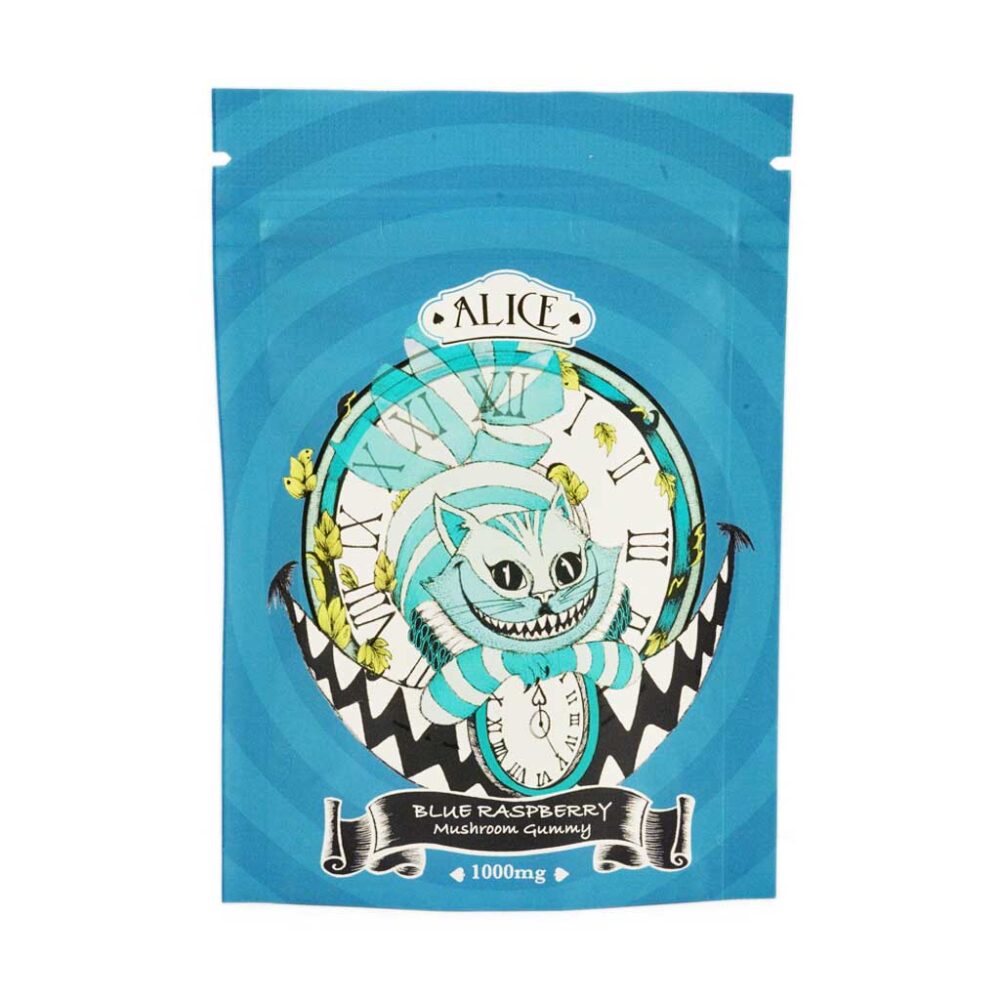
That is the thing about psilocybin edibles. They lower the barrier to entry. They make the substance more approachable. But they are still powerful. Treat them with the same caution you would any psychedelic. Know your dose. Know your setting. Have a trip sitter if you are going deep. And if you are curious, start with something like blue raspberry mushroom candy from a trusted seller. It might just change how you think about magic mushrooms.
Ultimately, the world of psilocybin edibles is expanding. From gummies to chocolates to drinks, there are more options than ever. Blue raspberry is just one flavor, but it represents a shift toward making these experiences more accessible and enjoyable. Whether you are microdosing for focus or exploring for insight, the right edible can make all the difference.